
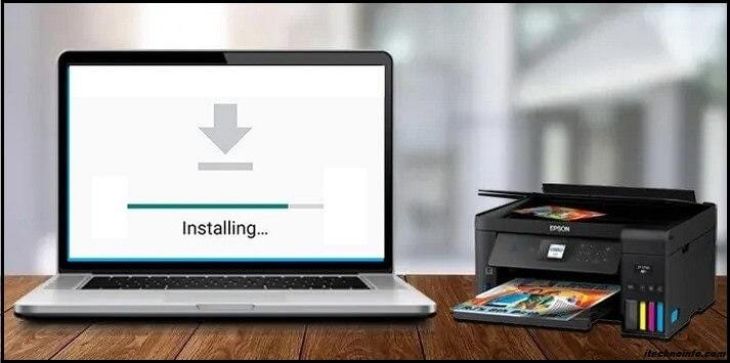
How do I install a printer on my computer step by step?
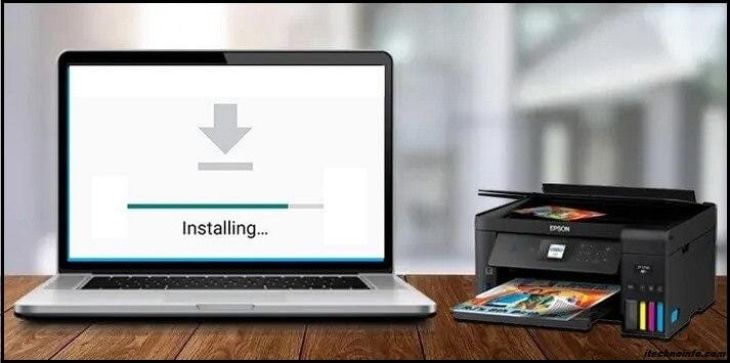
Installing a printer on your computer is an important first step before you can print documents, photos, reports, or other files. Whether you have a new printer or are reconnecting an existing one, the setup process is usually simple. Most modern computers can detect printers automatically, while others may require you to install a compatible printer driver.
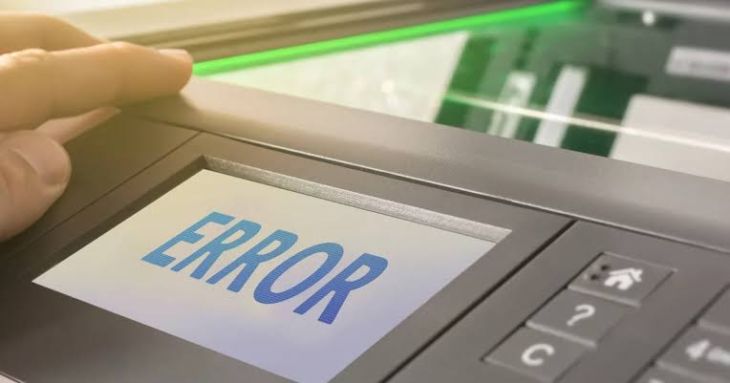
A printer can be connected through a USB cable or a wireless network. The installation steps are similar for most printer brands, although the exact screens may vary depending on your operating system and printer model. If the printer is not installed correctly, you may experience problems such as the printer not being detected, print jobs getting stuck, or the printer showing an offline status.
The good news is that most installation problems can be resolved with a few simple troubleshooting steps. This guide explains how to install a printer on your computer step by step.
Prepare Your Printer
-
Before starting the installation, make sure the printer is ready to use.
-
Remove all packaging materials if the printer is new.
-
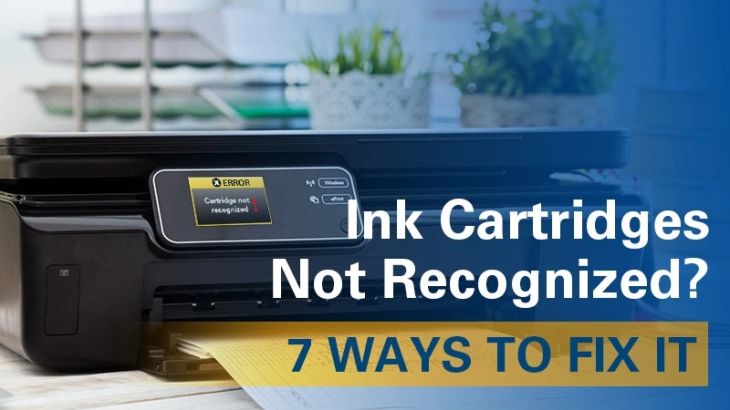
Install the ink or toner cartridges.
-
Load paper into the paper tray.
-
Connect the printer to a power source and turn it on.
-
Allow the printer to complete its startup process before continuing.
Choose How You Want to Connect the Printer
-
You can connect your printer in different ways depending on the model.
-
For a USB printer, use a compatible USB cable.
-
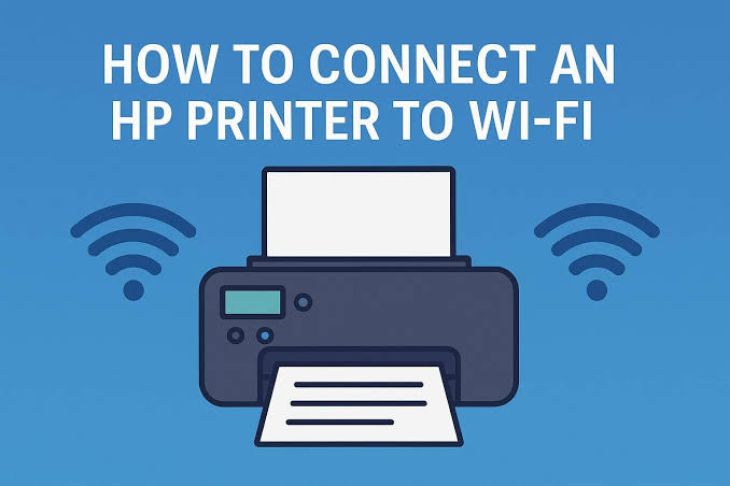
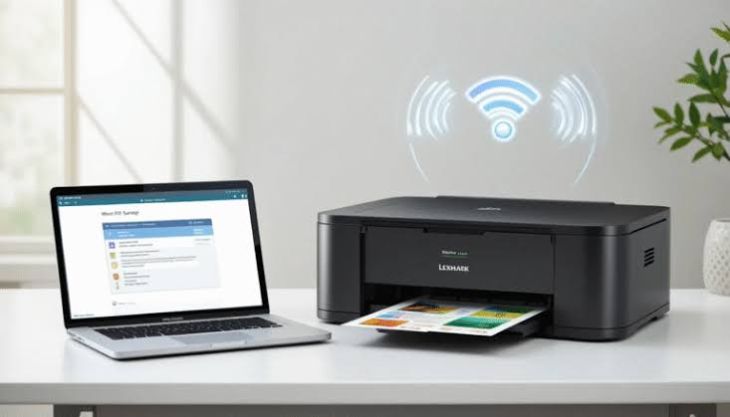
For a wireless printer, connect it to your Wi-Fi network before adding it to your computer.
-
Choose the connection method that best fits your workspace.
Connect a USB Printer
-
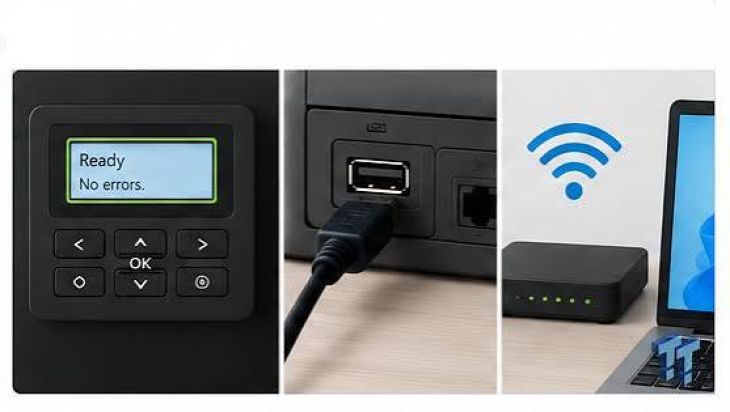
If you are using a USB printer, connect the cable securely between the printer and your computer.
-
Many operating systems will automatically recognize the printer and begin installing the required software.
-
Wait until the installation finishes before printing.
Connect a Wireless Printer
-
If your printer supports Wi-Fi, open the wireless settings on the printer.
-
Select your Wi-Fi network.
-
Enter the correct network password.
-
Wait until the printer confirms that it is connected.
-
Make sure your computer is connected to the same Wi-Fi network.
Install the Correct Printer Driver
-
A printer driver allows your computer and printer to communicate properly.
-
Install the latest driver that matches your printer model and operating system.
-
Using the correct driver improves compatibility, print quality, and overall performance.
-
Restart your computer if prompted after the installation.
Add the Printer to Your Computer
-
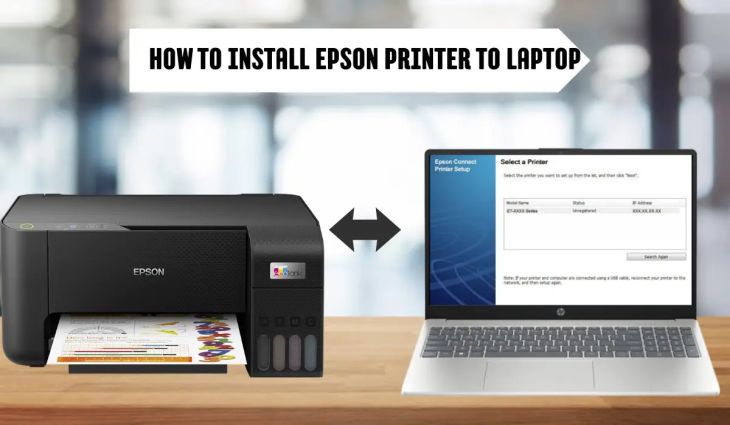
Open your computer's printer settings.
-
Search for available printers.
-
Select your printer from the list.
-
Follow the setup instructions until the installation is complete.
-
If you use the printer regularly, set it as your default printer.
Print a Test Page
-
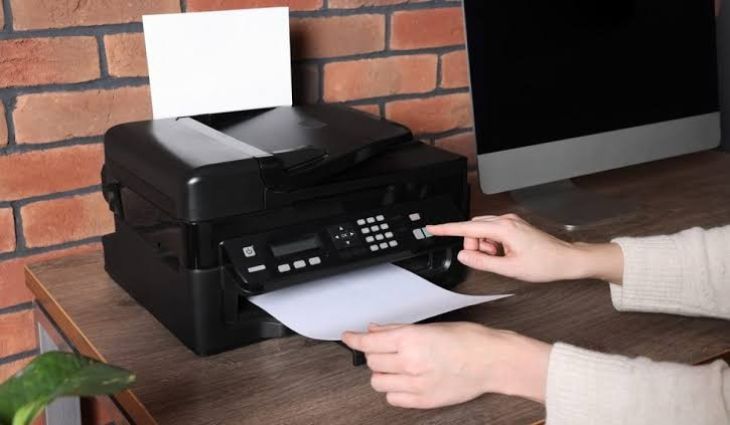
After the installation is complete, print a test page.
-
A successful test confirms that the printer is installed correctly and communicating with your computer.
-
If the test page prints successfully, your printer is ready to use.
Restart Your Devices
-
If your computer cannot detect the printer, restart both the printer and your computer.
-
A simple restart often resolves temporary communication problems.
Update Your Operating System
-
Keeping your operating system updated improves compatibility with modern printer drivers.
-
Install available updates and restart your computer if necessary.
-
Updated software helps prevent installation and printing issues.
Check the Printer Settings
-
If the printer still does not work, review the printer settings.
-
Make sure the correct printer is selected.
-
Also verify that the printer is not paused or showing an offline status.
-
Correct settings help ensure smooth printing.
Common Reasons Printer Installation Fails
Several issues can prevent a printer from installing successfully.
Common causes include:
-
Incorrect printer driver.
-
Outdated operating system.
-
Loose USB cable.
-
Weak Wi-Fi connection.
-
Printer connected to a different network.
-
Existing driver conflicts.
-
Corrupted installation files.
-
Temporary software conflicts.
-
Firewall restrictions.
-
Printer not powered on.
-
Interrupted installation process.
-
Incorrect printer settings.
Understanding these issues makes troubleshooting much easier.
Tips for a Successful Printer Installation
Following a few simple practices helps ensure a smooth installation.
-
Install the latest printer driver.
-
Keep your operating system updated.
-
Use a stable internet connection for wireless setup.
-
Connect the printer to the same network as your computer.
-
Restart the printer after major updates.
-
Avoid disconnecting the printer during installation.
-
Print a test page after setup.
-
Review printer settings regularly.
These simple habits help prevent future printing problems.
FAQs
Do I need a printer driver to install my printer?
Yes. A compatible printer driver allows your computer to communicate with your printer and access all of its features.
Can I install a printer without a USB cable?
Yes. Many modern printers support wireless installation through a Wi-Fi network.
Why can't my computer detect my printer?
This may be caused by an outdated driver, incorrect network settings, loose cable connections, or temporary software conflicts.
Should I print a test page after installing my printer?
Yes. A test page confirms that the installation was successful and that your printer is working correctly.
Can restarting my computer fix printer installation problems?
Yes. Restarting both the computer and printer often resolves temporary communication issues.
When should I get printer help?
Additional printer help may be useful if your printer continues having installation or connection problems after completing the recommended troubleshooting steps.
Conclusion
Installing a printer on your computer is usually a quick and straightforward process. Preparing the printer, choosing the correct connection method, installing the appropriate printer driver, adding the printer to your computer, and printing a test page are the key steps to a successful setup.
Keeping your printer driver and operating system updated, maintaining a stable connection, and reviewing your printer settings regularly will help ensure reliable printing for years to come. If your printer continues having installation or connection problems after following these troubleshooting steps, additional printer help may be needed to identify and resolve the underlying cause.
.jpg)
.jpg)


.jpg)
.jpg)
.jpg)
.jpg)
.jpg)
.jpg)
.png)
.png)
.jpg)
.jpg)
.jpg)
.jpg)
.jpg)
.jpg)
.jpg)
.jpg)
.jpg)