
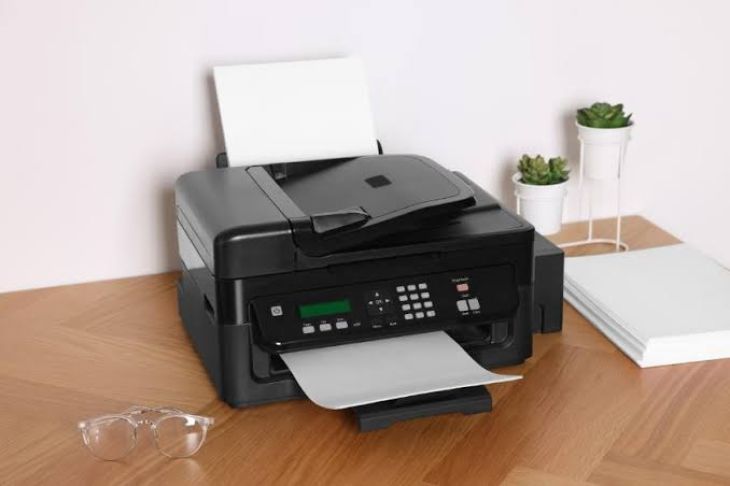
Why is my printer suddenly printing blank pages?
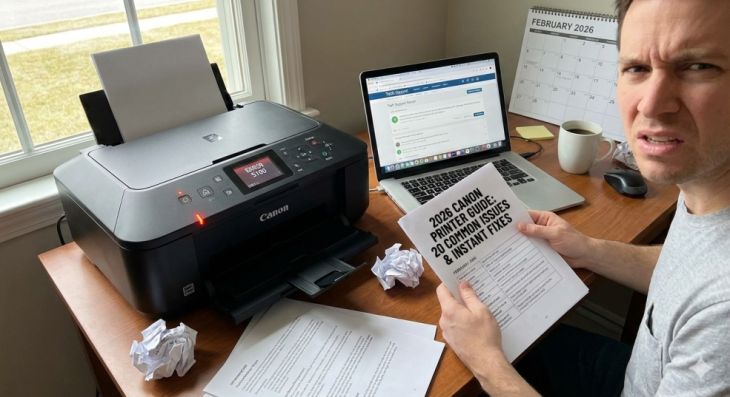
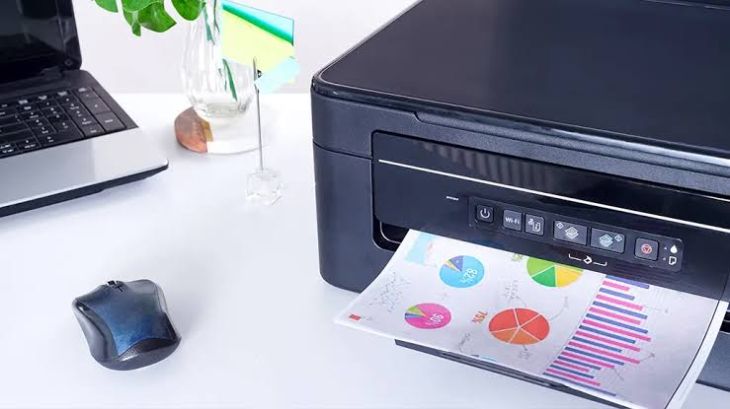
Few printing problems are as frustrating as sending an important document to your printer only to receive completely blank pages. Whether you use your printer at home, in a classroom, or in an office, this issue can interrupt your work and waste both paper and ink. Fortunately, a printer that suddenly starts printing blank pages does not always have a serious hardware problem.
Why Is My Printer Printing Blank Pages?
A printer needs several components to work together correctly. If ink cannot reach the paper or the printer receives incorrect instructions, blank pages may be printed.
Some common causes include:
-
Low or empty ink cartridges
-
Improperly installed ink cartridges
-
Clogged print head nozzles
-
Protective tape left on a new cartridge
-
Incorrect print settings
-
Outdated printer drivers
-
Communication problems between the printer and computer
-
Damaged print cartridges
-
Paper loading issues
-
Temporary software problems
Check the Ink Levels
-
One of the most common reasons for blank pages is low or empty ink.
-
Review the printer's ink levels and make sure there is enough ink available for printing.
-
If one or more cartridges are empty, replace them before printing again.
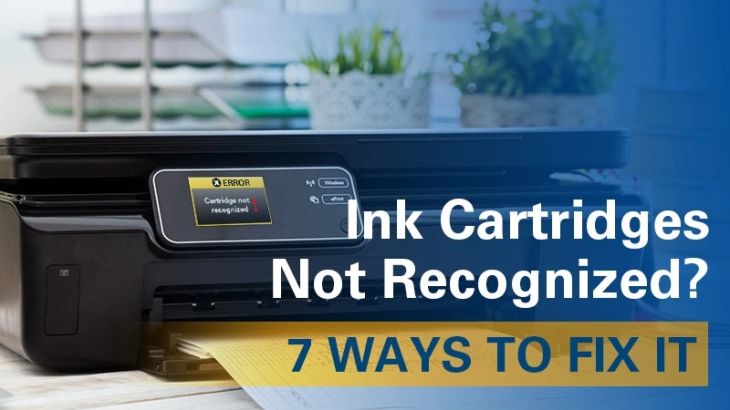
Inspect the Ink Cartridges
Open the printer and inspect each cartridge carefully.
Ensure that:
-
Every cartridge is installed correctly.
-
The cartridges are compatible with your printer.
-
None of the cartridges are damaged.
-
All protective packaging has been removed from new cartridges.
Even a small installation mistake can prevent ink from reaching the paper.
Clean the Print Head
-
If the printer has not been used for some time, dried ink may block the print head nozzles.
-
Running the printer's built-in print head cleaning function can help restore proper ink flow.
-
After cleaning, print a test page to check whether the issue has been resolved.
Print a Nozzle Check Page
Many printers include a nozzle check feature.
A nozzle check helps determine whether:
-
Ink is flowing correctly.
-
Print head nozzles are clogged.
-
Print quality is normal.
-
Additional cleaning is required.
This simple test provides valuable information about the printer's condition.
Verify Print Settings
Review the settings before printing and confirm that:
-
The correct printer is selected.
-
The paper type matches the paper being used.
-
The print quality settings are appropriate.
-
The document contains printable content.
Correct settings improve print reliability.
Restart the Printer
-
Temporary software issues can interfere with printing.
-
Turn the printer off, wait briefly, and then turn it back on.
-
Restarting refreshes the printer's internal system and often resolves temporary errors.
Restart Your Computer
-
The communication between your computer and printer may occasionally become interrupted.
-
Restart your computer and try printing again.
-
This refreshes system processes that may be affecting the print job.
Check the Paper
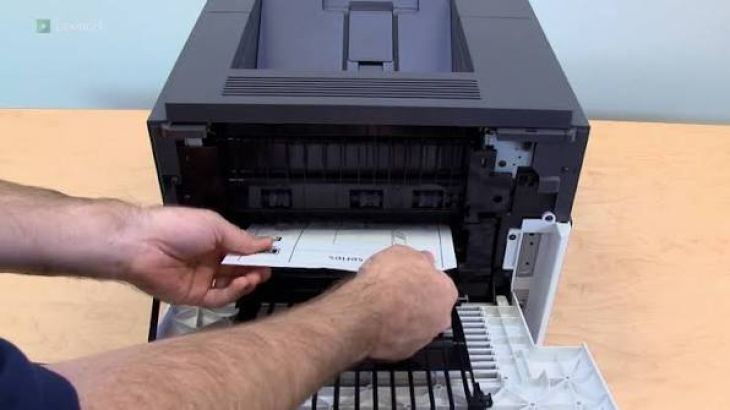
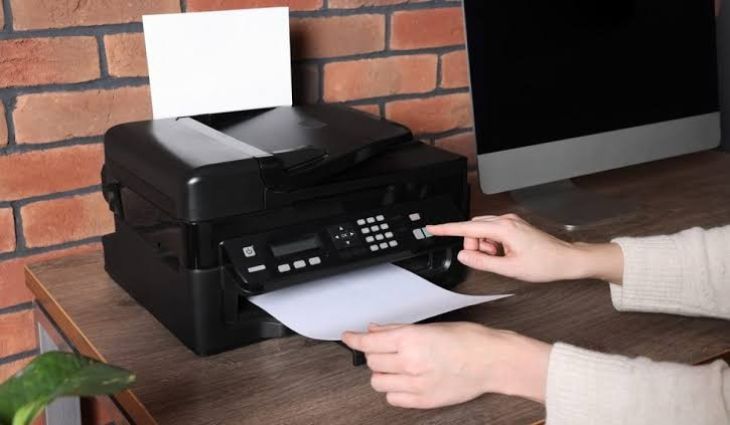
Improperly loaded paper can occasionally contribute to printing problems.
Ensure that:
-
The paper is loaded correctly.
-
The paper guides are adjusted properly.
-
The paper is clean and free from damage.
-
The tray is not overloaded.
Correct paper loading supports consistent printing.
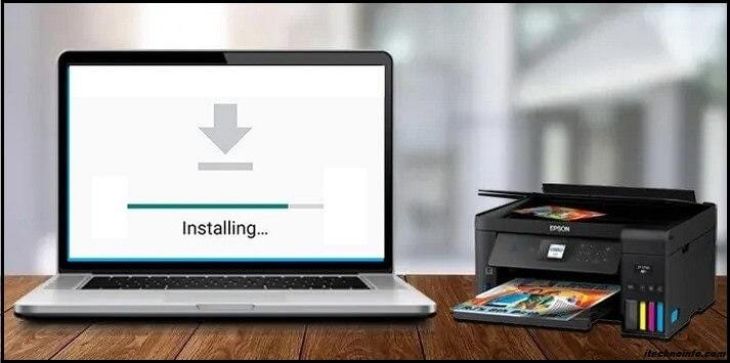
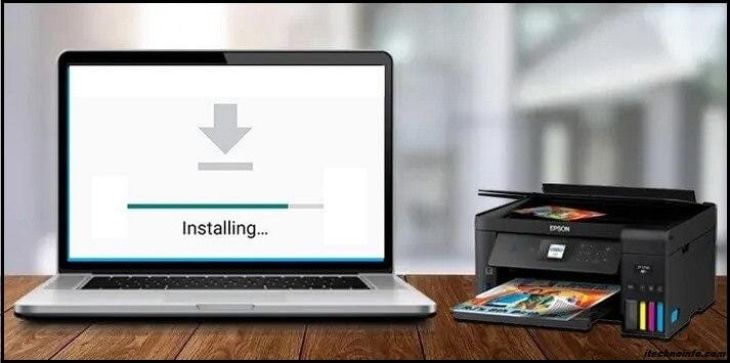
Update the Printer Driver
An outdated printer driver may prevent proper communication with the printer.
Keeping the driver updated improves:
-
Compatibility
-
Stability
-
Printing performance
-
Communication reliability
Restart your computer after installing driver updates.
Update Printer Firmware
Printer firmware controls many internal functions.
Keeping the firmware updated helps improve:
-
Performance
-
Compatibility
-
Stability
-
Error handling
Restart the printer after completing any firmware updates.
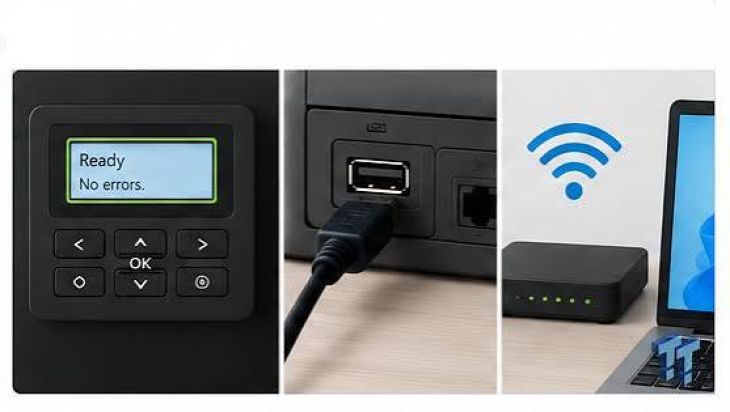
Check the Connection
Whether you use a wired or wireless connection, verify that the printer is communicating properly with your device.
Check that:
-
The printer is connected to the correct network if using Wi-Fi.
-
Cable connections are secure if using a wired connection.
-
The printer appears as available on your computer.
Stable communication is essential for successful printing.
Perform Routine Printer Maintenance
Regular maintenance helps prevent blank page issues.
Routine maintenance includes:
-
Cleaning the print head
-
Updating printer drivers
-
Installing firmware updates
-
Checking ink levels
-
Cleaning the printer regularly
-
Printing occasionally to keep ink flowing
Routine care helps maintain consistent print quality.
Tips to Prevent Blank Pages
Following good maintenance habits can reduce printing problems.
Print Regularly
Regular printing helps prevent ink from drying inside the print head.
Keep Ink Cartridges Properly Installed
Correct installation improves ink flow.
Clean the Printer Periodically
Routine cleaning helps maintain print quality.
Update Printer Software
Current software improves compatibility and reliability.
Use Appropriate Paper
Good-quality paper supports better printing results.
Store Ink Cartridges Carefully
Proper storage helps maintain cartridge performance.
Common Mistakes to Avoid
Avoid these common mistakes:
-
Printing with empty ink cartridges
-
Forgetting to remove protective tape from new cartridges
-
Ignoring print head cleaning
-
Using outdated printer drivers
-
Selecting incorrect print settings
-
Leaving the printer unused for long periods
-
Ignoring firmware updates
-
Using damaged paper or improperly loaded paper
Avoiding these mistakes helps improve print quality and printer reliability.
FAQs
Why is my printer printing blank pages even though it has ink?
The print head may be clogged, the ink cartridges may not be installed correctly, the protective tape may still be attached to a new cartridge, or incorrect print settings may be selected.
Can a clogged print head cause blank pages?
Yes. If the print head nozzles become blocked with dried ink, the printer may produce blank or incomplete pages until the nozzles are cleaned.
Why should I print a nozzle check page?
A nozzle check helps identify clogged print head nozzles and confirms whether ink is flowing correctly.
Does updating the printer driver help?
Yes. Updated printer drivers improve communication, compatibility, and overall printing performance.
How can I prevent my printer from printing blank pages?
Print regularly, monitor ink levels, install cartridges correctly, clean the print head periodically, update printer drivers and firmware, use quality paper, verify print settings, and perform routine printer maintenance.
Conclusion
A printer that suddenly starts printing blank pages is usually experiencing a problem related to ink flow, cartridge installation, print head maintenance, software settings, or communication rather than a major hardware failure. Most blank page issues can be resolved by carefully checking the printer, cleaning the print head, verifying the ink cartridges, reviewing print settings, and keeping the printer software updated.

.jpg)
.jpg)



.jpg)
.jpg)
.jpg)
.jpg)
.jpg)
.jpg)
.png)
.png)

.jpg)
.jpg)
.jpg)
.jpg)
.jpg)
.jpg)
.jpg)

.jpg)
.jpg)