
How to Update Printer Drivers?
A printer driver is one of the most important parts of your printing system. It acts as a bridge between your computer and your printer, allowing both devices to communicate correctly. Without a properly working printer driver, your printer may fail to print, appear offline, disconnect unexpectedly, or produce printing errors.
What Is a Printer Driver?
A printer driver is software that allows your computer and printer to communicate.
When you select a document to print, your computer sends information to the printer. The printer driver converts that information into instructions the printer can understand.
Without the correct driver, your printer may not receive print jobs correctly.
A working driver helps ensure smooth communication and reliable printing.
Why Should You Update Printer Drivers?
Printer drivers can become outdated over time.
As your computer receives system updates, older printer drivers may no longer work as efficiently. An outdated driver may lead to printing errors, communication problems, or reduced printer performance.
Updating the driver helps improve compatibility between your printer and computer.
It can also resolve problems that appear after a computer update.
Keeping the driver current is one of the easiest ways to maintain reliable printing.
Signs That Your Printer Driver Needs an Update
Several problems may indicate that the printer driver needs attention.
-
Your printer may suddenly stop printing.
-
The printer may appear offline even though it is turned on.
-
Your computer may fail to detect the printer.
-
Print jobs may remain stuck in the print queue.
-
Printing may become slower than usual or produce unexpected errors.
If you notice these symptoms, checking the printer driver is a good place to start.
Check Your Printer Connection
-
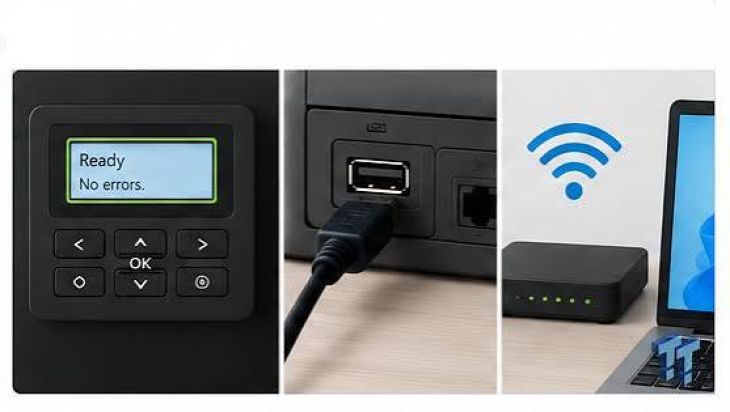
Before updating the driver, make sure the printer is connected properly.
-
If you use a cable connection, check that the cable is secure.
-
If your printer uses a wireless connection, confirm that the printer and your computer are connected to the same network.
-
A stable connection helps your computer recognize the printer correctly.
Restart the Printer
-
Temporary printer problems can sometimes appear to be driver issues.
-
Turn off the printer and wait until it shuts down completely.
-
Disconnect the power cable for a short time.
-
Reconnect the cable and turn the printer back on.
-
Allow the printer to finish starting before continuing.
-
Restarting the printer refreshes its system.
Restart Your Computer
-
Restarting your computer is another simple troubleshooting step.
-
Temporary software problems may interfere with printer communication.
-
After restarting, check whether the printer responds normally.
-
If the problem continues, proceed with checking the printer driver.
Check the Current Printer Driver
-
Open the printer settings on your computer.
-
Locate your printer and review its properties.
-
You can check whether the printer driver is installed correctly and whether it is working as expected.
-
If the driver appears damaged or outdated, updating it may improve printer performance.
Update the Printer Driver
-
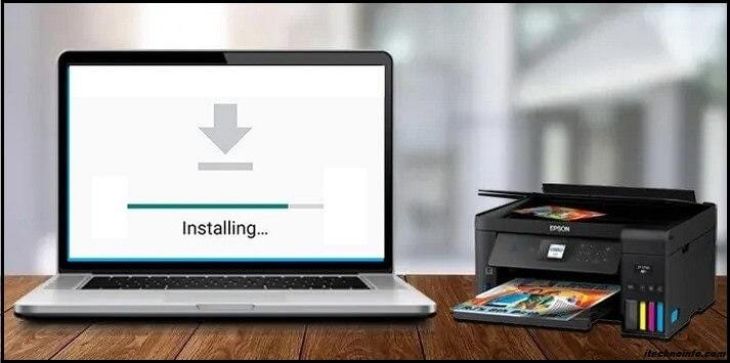
If an updated driver is available, install it by following the instructions provided by your computer or printer software.
-
Allow the update process to finish completely.
-
Avoid disconnecting the printer while the update is in progress.
-
After the installation is complete, restart both the printer and your computer.
-
This helps apply the changes correctly.
Remove and Reinstall the Printer Driver
-
Sometimes updating alone is not enough.
-
If the driver has become damaged, removing it and installing it again may solve the problem.
-
Remove the printer from your computer settings.
-
Restart the computer.
-
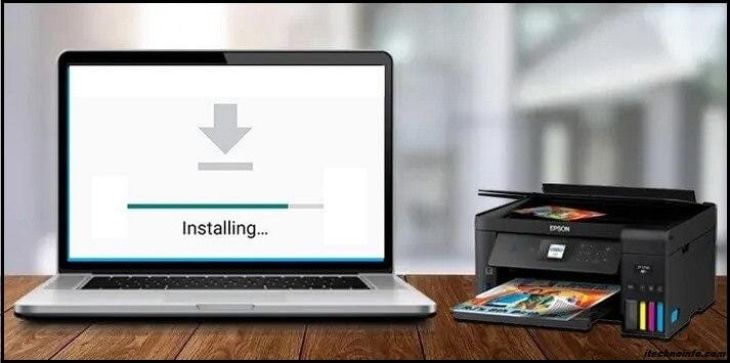
Reconnect the printer and allow the system to install the driver again.
-
A fresh installation often fixes communication problems.
Print a Test Page
-
After updating the driver, print a test page.
-
A successful test print confirms that the printer and computer are communicating correctly.
-
If the printer still does not respond, review the connection and printer settings again.
-
Testing the printer helps confirm whether the update solved the issue.
Common Problems Caused by Outdated Printer Drivers
An outdated printer driver can lead to several issues.
Common problems include:
-
Printer not printing.
-
Printer showing offline.
-
Computer not detecting the printer.
-
Slow printing.
-
Stuck print jobs.
-
Communication problems.
-
Printer connection failures.
-
Missing printer features.
-
Printing errors.
-
Temporary software conflicts.
Recognizing these signs can help you identify when the driver needs attention.
Tips to Keep Printer Drivers Working Properly
-
Good maintenance habits help reduce driver problems.
-
Keep your computer updated regularly.
-
Restart the printer occasionally to refresh its system.
-
Maintain a stable connection between the printer and your computer.
-
Remove old printers that you no longer use from your computer settings.
-
Check the printer driver whenever you notice unusual printing behavior.
-
Regular maintenance can improve printer reliability and performance.
FAQs
What is a printer driver?
A printer driver is software that allows your computer and printer to communicate so that documents can be printed correctly.
Why should I update my printer driver?
Updating the driver can improve printer performance, fix communication problems, and increase compatibility with your computer.
How do I know if my printer driver is outdated?
Your printer may stop printing, appear offline, become difficult to detect, or display printing errors if the driver needs attention.
Can updating the printer driver fix printing problems?
Yes. Updating the driver can often resolve communication issues, offline errors, and other common printing problems.
Should I restart my printer after updating the driver?
Yes. Restarting both the printer and your computer helps apply the updated driver correctly.
Conclusion
Updating your printer driver is one of the simplest ways to improve printer performance and reduce printing problems. A current driver helps your computer and printer communicate correctly, making printing more reliable.
.jpg)
.jpg)

.jpg)
.jpg)
.jpg)
.jpg)
.jpg)
.jpg)
.png)
.png)
.jpg)
.jpg)
.jpg)
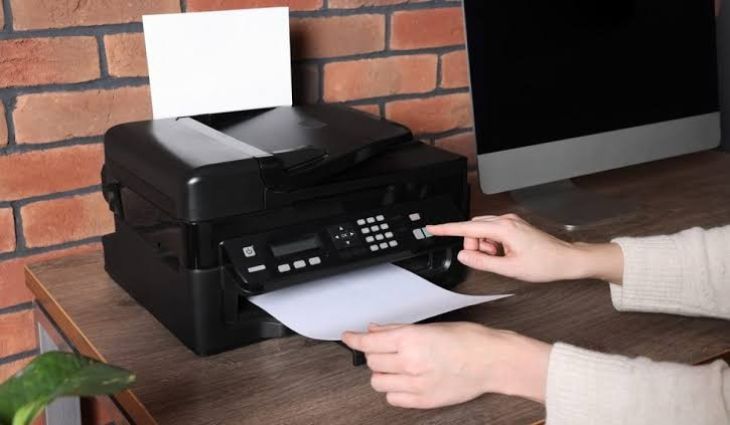
.jpg)
.jpg)
.jpg)
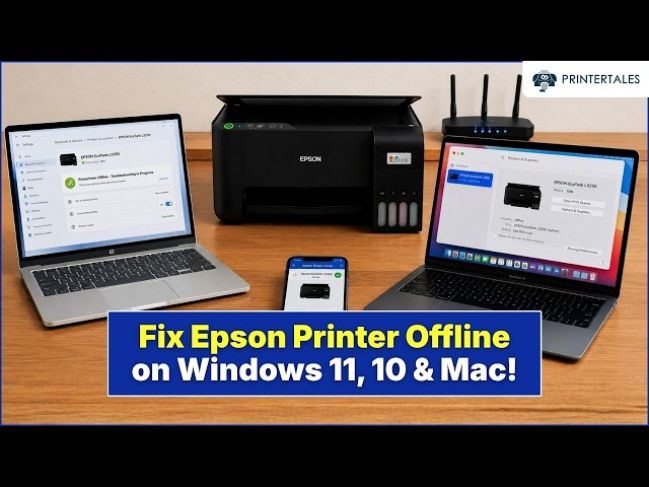
.jpg)
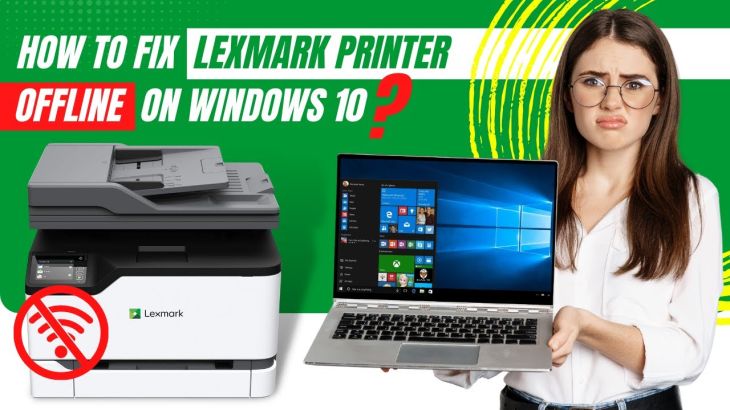
.jpg)
.jpg)