
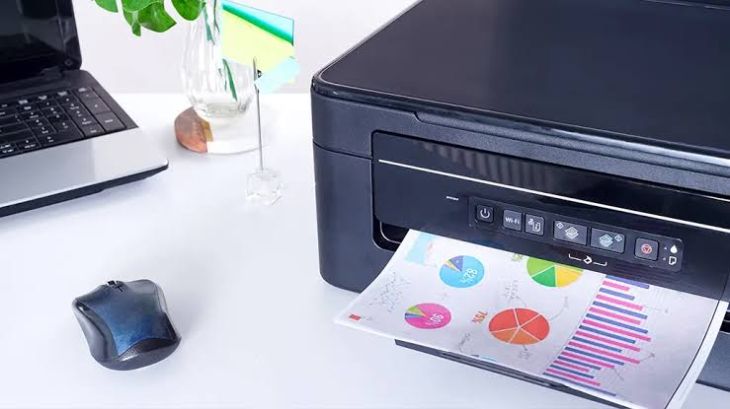
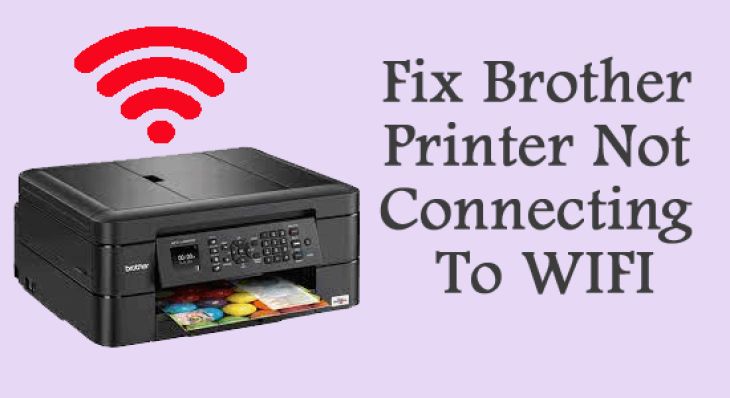
How do I connect my printer to my Wi-Fi network?
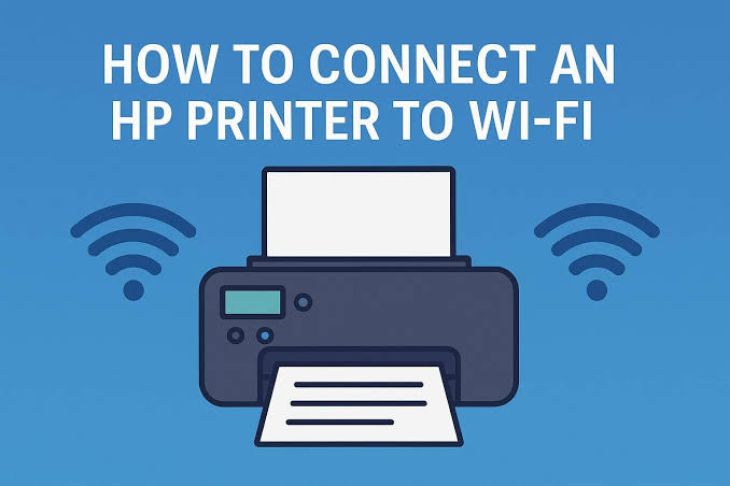
Wireless printing has become an essential feature for homes and offices because it allows multiple devices to print without the need for cables. Once your printer is connected to your Wi-Fi network, you can print documents, photos, reports, and other files from computers, laptops, smartphones, and tablets connected to the same network. A successful wireless setup also gives you greater flexibility when deciding where to place your printer.
Prepare Before Connecting Your Printer
Check the following:
-
Turn on the printer.
-
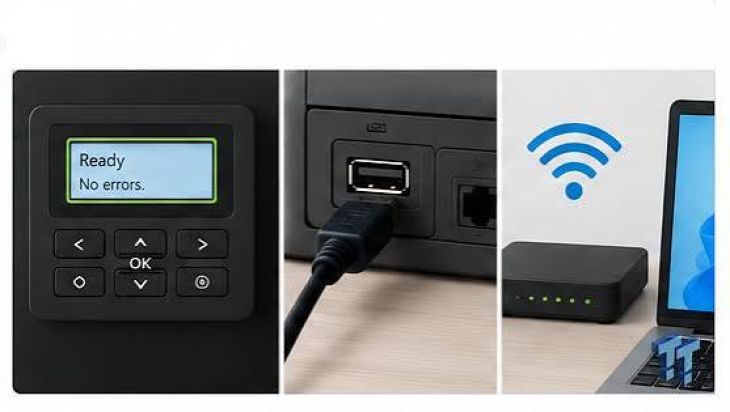
Ensure the printer is in a ready state.
-
Place the printer within range of the wireless router.
-
Verify that your Wi-Fi network is working properly.
-
Make sure your computer or mobile device is connected to the same wireless network.
-
Keep the Wi-Fi password available if required.
Preparing your devices beforehand helps make the setup process much smoother.
Access the Printer's Wireless Settings
-
Most wireless printers include a menu where you can configure network settings.
-
Open the wireless setup section on your printer and begin searching for available Wi-Fi networks.
-
Allow the printer enough time to scan for nearby networks.
Select Your Wi-Fi Network
-
When the available networks appear, select the correct wireless network.
-
If multiple networks are available, carefully choose the one you intend to use for printing.
-
Connecting to the correct network allows all your devices to communicate with the printer.
Enter the Wireless Password
If prompted, carefully enter your Wi-Fi password.
Pay close attention to:
-
Uppercase and lowercase letters
-
Numbers
-
Special characters
-
Extra spaces
A small typing mistake may prevent the printer from connecting successfully.
Wait for the Connection to Complete
-
Once the network information has been entered, allow the printer to complete the connection process.
-
Avoid interrupting the setup while the printer is establishing communication with the router.
-
A successful connection usually places the printer in an online or ready status.
Verify the Connection
After the printer connects to the wireless network, confirm that the connection is working properly.
Check whether:
-
The printer displays a connected status.
-
The wireless indicator is active.
-
The printer appears on your computer or mobile device.
Verification ensures the setup was successful.
Add the Printer to Your Computer
-
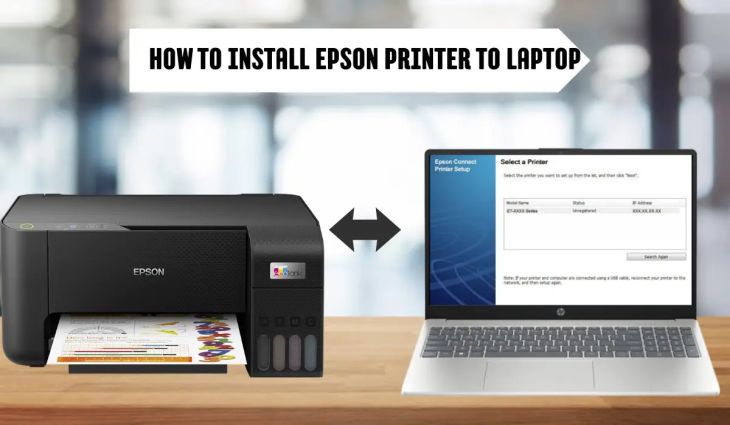
After connecting the printer to Wi-Fi, add it to your computer if it does not appear automatically.
-
Your operating system will usually detect available wireless printers connected to the same network.
Complete the installation before attempting to print.
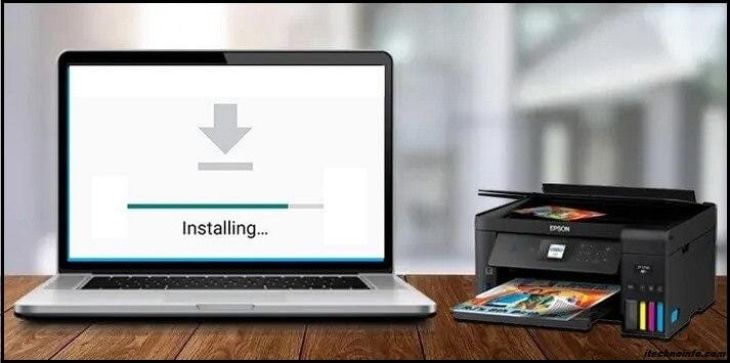
Install the Correct Printer Driver
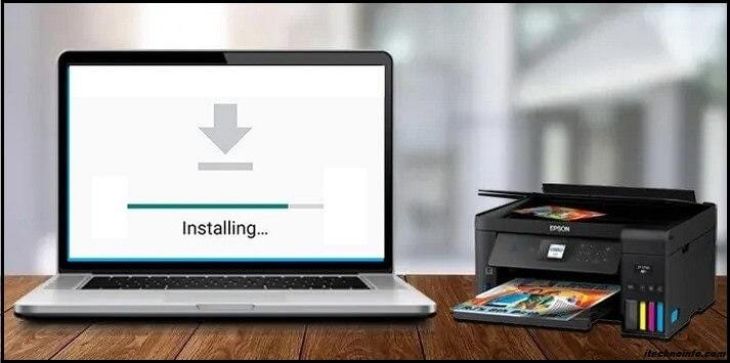
A printer driver allows your computer to communicate properly with the printer.
Installing the correct driver helps improve:
-
Compatibility
-
Print quality
-
Performance
-
Reliability
Restart your computer after installing the driver.
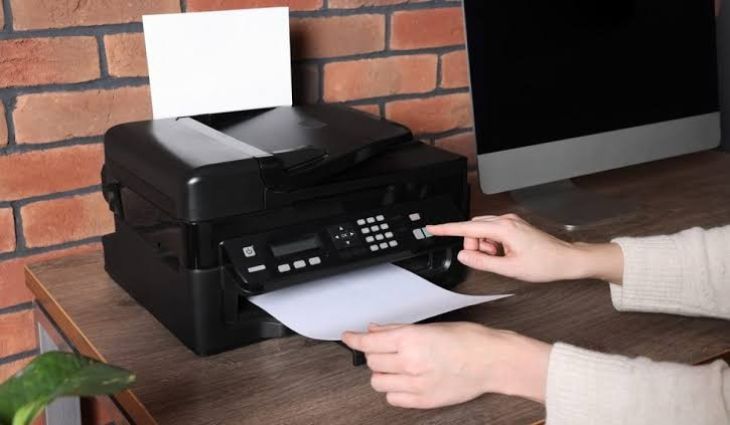
Print a Test Page
Printing a test page confirms that the wireless connection is functioning correctly.
A successful test verifies that:
-
The printer is connected to the network.
-
Communication between the printer and computer is working.
-
The driver is functioning properly.
-
The printer is ready for normal use.
Testing immediately helps identify any remaining issues.
Restart the Printer and Router If Needed
-
If the connection fails, restart both the printer and the wireless router.
-
Temporary communication problems are often resolved after both devices restart.
-
Allow the network to reconnect completely before attempting the setup again.
Update Printer Firmware
Firmware controls many of the printer's internal functions.
Keeping the firmware updated improves:
-
Wireless stability
-
Printer performance
-
Compatibility
-
Overall reliability
Restart the printer after completing any firmware updates.
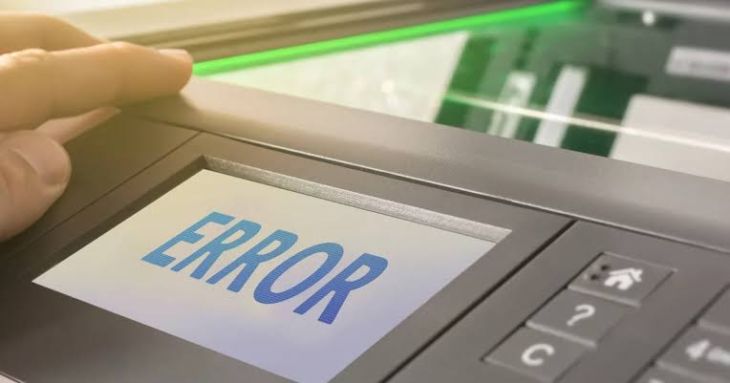
Troubleshoot Connection Problems
If your printer still does not connect, review the following:
-
Verify that the Wi-Fi network is working.
-
Confirm the wireless password is correct.
-
Restart the printer.
-
Restart the router.
-
Move the printer closer to the router.
-
Update the printer driver.
-
Update the printer firmware.
-
Ensure your computer is connected to the same wireless network.
These checks resolve many common wireless setup issues.
Perform Routine Printer Maintenance
Routine maintenance helps improve long-term wireless performance.
Good maintenance includes:
-
Updating printer software
-
Checking firmware updates
-
Cleaning the printer
-
Reviewing wireless settings
-
Monitoring printer status
A well-maintained printer is generally more reliable.
Tips to Maintain a Stable Wi-Fi Connection
Following good maintenance habits can help prevent future connection problems.
Keep the Printer Within Wireless Range
A stronger signal improves communication.
Update Printer Software Regularly
Current software improves compatibility.
Restart Devices Occasionally
Restarting refreshes wireless communication.
Review Network Settings After Router Changes
Configuration changes may require reconnecting the printer.
Maintain a Stable Wireless Network
Reliable Wi-Fi supports consistent printing.
Perform Routine Maintenance
Regular maintenance keeps the printer operating efficiently.
Common Mistakes to Avoid
Avoid these common setup mistakes:
-
Entering the wrong Wi-Fi password
-
Connecting to the incorrect network
-
Placing the printer too far from the router
-
Interrupting the connection process
-
Ignoring firmware updates
-
Using outdated printer drivers
-
Skipping the test page
-
Ignoring weak wireless signals
Avoiding these mistakes helps ensure successful wireless printing.
FAQs
Why won't my printer connect to my Wi-Fi network?
The printer may be using an incorrect Wi-Fi password, experiencing a weak wireless signal, connecting to the wrong network, or using outdated software.
Should my computer and printer be connected to the same Wi-Fi network?
Yes. Both devices should be connected to the same wireless network to communicate properly and allow wireless printing.
Why should I print a test page after connecting the printer?
A test page confirms that the printer is connected correctly, the driver is functioning properly, and communication between the printer and your device is working.
Does updating the printer driver improve wireless performance?
Yes. Updated drivers improve compatibility, communication, and overall printer reliability.
How can I prevent future Wi-Fi connection problems?
Keep the printer within range of the router, update printer drivers and firmware regularly, review network settings after router changes, maintain a stable wireless connection, restart devices occasionally, and perform routine printer maintenance.
Conclusion
Connecting your printer to a Wi-Fi network is usually a simple process when your network is working properly and the correct setup steps are followed. Most connection problems are caused by incorrect passwords, weak wireless signals, outdated printer software, or temporary communication issues rather than hardware failures.
.jpg)
.jpg)


.jpg)
.jpg)
.jpg)
.jpg)
.jpg)
.jpg)
.png)
.png)
.jpg)
.jpg)
.jpg)
.jpg)
.jpg)
.jpg)
.jpg)
.jpg)
.jpg)