How to Fix Driver-Related Printer Problems?
Printer drivers are an important part of the printing process. They allow your computer and printer to communicate with each other. Every time you print a document, the driver translates the information from your computer into a format that the printer can understand. If the driver is outdated, damaged, missing, or incompatible, printing problems can occur.
Driver-related printer issues are common and can affect any printer brand. You may notice problems such as the printer not responding, print jobs getting stuck, poor print quality, the printer showing as offline, or your computer failing to detect the printer.
The good news is that most driver-related printer problems can be fixed with a few simple troubleshooting steps. In many cases, updating or reinstalling the driver is enough to restore normal printing.
What Causes Printer Driver Problems?
A printer driver acts as a bridge between your computer and the printer.
If the driver becomes corrupted, outdated, or incompatible with your operating system, communication may fail.
Driver problems are often caused by software updates, interrupted installations, damaged files, or conflicts with older drivers.
Understanding the cause makes troubleshooting easier.
Restart Your Printer and Computer
-
Temporary software issues can sometimes create driver errors.
-
Turn off your printer and restart your computer.
-
After both devices restart, try printing again.
-
A simple restart often resolves minor communication problems.
Check the Printer Connection
-
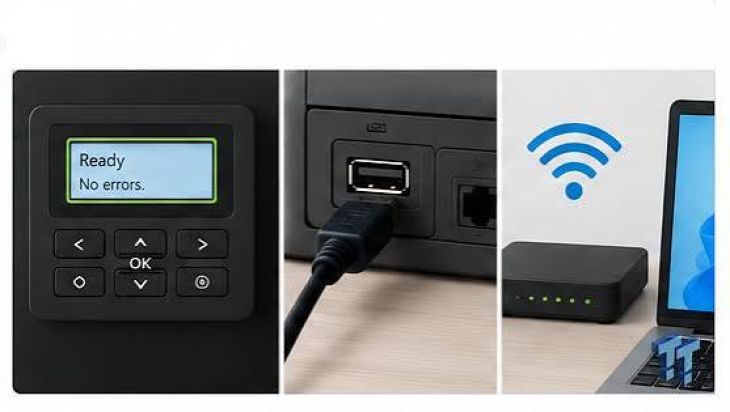
Make sure your printer is connected properly.
-
For USB printers, verify that the cable is secure.
-
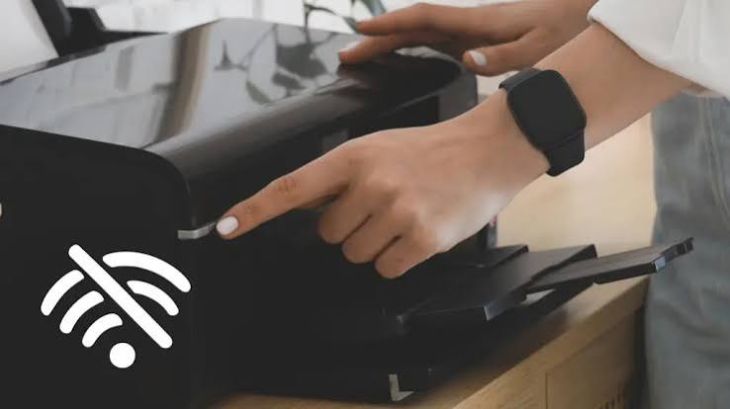
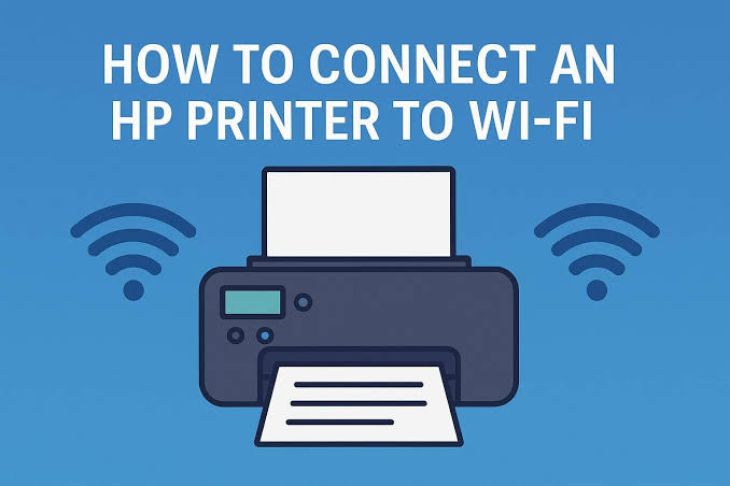
For wireless printers, confirm that the printer is connected to the same Wi-Fi network as your computer.
-
A stable connection is necessary for proper driver communication.
Update the Printer Driver
-
An outdated driver is one of the most common causes of printing issues.
-
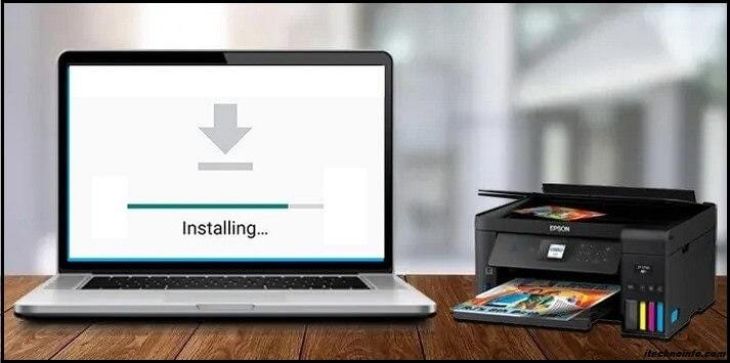
Install the latest printer driver that matches your printer model and operating system.
-
Updated drivers improve compatibility, performance, and reliability.
-
Restart your computer after updating the driver.
Reinstall the Printer Driver
-
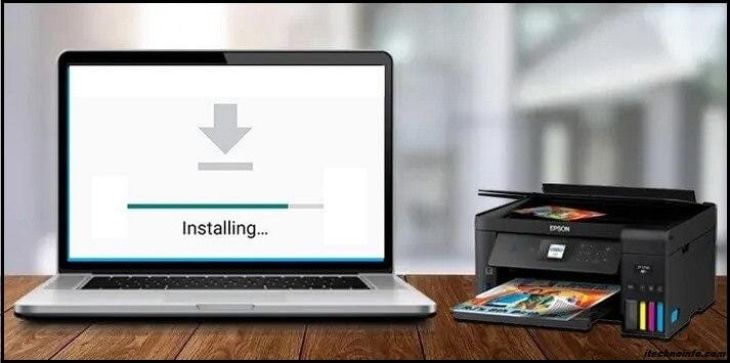
If updating the driver does not solve the problem, remove the existing driver and install it again.
-
Reinstalling the driver replaces damaged files and removes software conflicts.
-
A clean installation often resolves persistent printing problems.
Remove Old Printer Drivers
-
Older printer drivers can interfere with new installations.
-
Remove unused or outdated drivers from your computer.
-
This helps prevent conflicts and improves system performance.
Restart the Print Spooler Service
-
The Print Spooler manages all print jobs on your computer.
-
If it stops working properly, print jobs may become stuck.
-
Restarting the Print Spooler service refreshes the printing system and often solves driver-related issues.
Clear the Print Queue
-
A damaged print job can prevent the printer from responding.
-
Open the print queue and remove all pending print jobs.
-
Restart the printer and try printing again.
Check Printer Settings
-
Open your printer settings and make sure the correct printer is selected.
-
Also confirm that the printer is not paused or set to offline mode.
-
Incorrect settings can create problems that appear to be driver-related.
Update Your Operating System
-
Operating system updates improve compatibility with modern printer drivers.
-
Install available updates regularly.
-
Restart your computer after completing updates.
-
Updated software reduces compatibility issues.
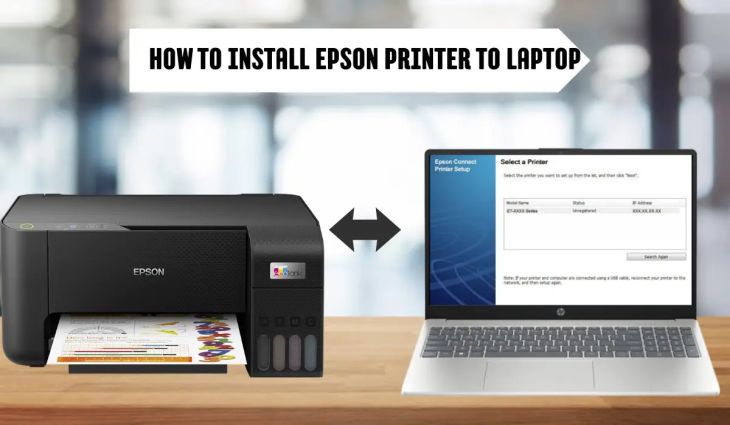
Add the Printer Again
-
If the printer still does not work, remove it from your computer and add it again.
-
This refreshes the printer configuration and can restore proper communication.
Print a Test Page
-
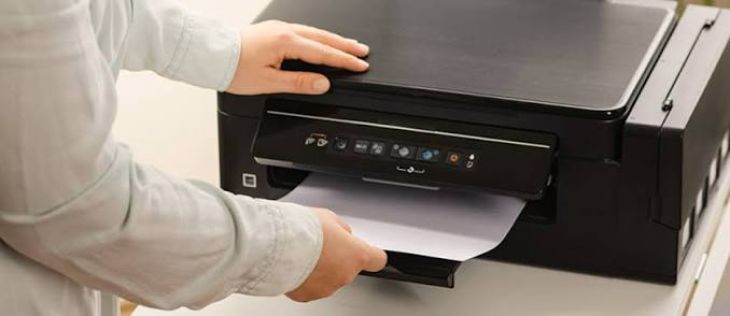
After completing the troubleshooting steps, print a test page.
-
A successful test confirms that the driver and printer are working correctly.
Common Signs of Printer Driver Problems
Driver-related issues often show similar symptoms.
Common signs include:
-
Printer not responding.
-
Printer offline messages.
-
Print jobs stuck in the queue.
-
Poor print quality.
-
Printer not detected.
-
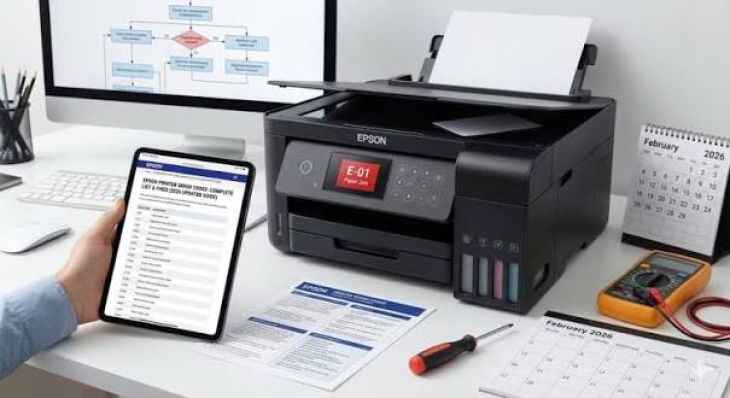
Error messages during printing.
-
Slow printing.
-
Missing printer features.
-
Communication errors.
-
Installation failures.
-
Blank pages.
-
Incomplete print jobs.
Recognizing these signs helps identify driver problems more quickly.
Tips to Prevent Printer Driver Issues
Regular maintenance helps keep your printer working smoothly.
-
Keep printer drivers updated.
-
Install operating system updates regularly.
-
Remove unused printer drivers.
-
Restart your printer occasionally.
-
Maintain a stable network connection.
-
Avoid interrupting driver installations.
-
Clear completed print jobs regularly.
-
Print a test page after major updates.
These habits help reduce future driver-related problems.
FAQs
What causes printer driver problems?
Printer driver problems are often caused by outdated software, corrupted files, operating system updates, or incomplete installations.
How do I know if my printer driver is damaged?
Common signs include printer offline messages, failed print jobs, communication errors, and the printer not being detected.
Should I reinstall my printer driver?
Yes. Reinstalling the driver replaces damaged files and can solve many printing issues.
Can operating system updates affect printer drivers?
Yes. Some updates may require newer printer drivers for proper compatibility.
Why should I print a test page?
A test page confirms that the driver is working correctly and that the printer can communicate with your computer.
When should I get printer help?
Additional printer help may be useful if driver-related problems continue after completing the recommended troubleshooting steps.
Conclusion
Driver-related printer problems are common, but they are usually easy to fix. Outdated drivers, corrupted files, software conflicts, and incorrect settings are among the most common causes.
Restarting your devices, updating or reinstalling the printer driver, clearing the print queue, restarting the Print Spooler service, and keeping your operating system updated can solve most driver-related issues.
.jpg)
.jpg)


.jpg)
.jpg)
.jpg)
.jpg)
.jpg)
.jpg)
.png)
.png)
.jpg)
.jpg)
.jpg)
.jpg)
.jpg)
.jpg)
.jpg)
.jpg)
.jpg)