
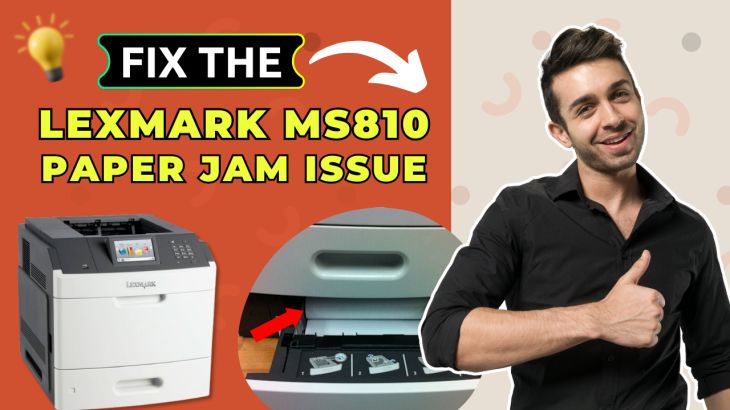
How to Fix Paper Jam Issues in Lexmark Printers?
A paper jam is one of the most common problems that Lexmark printer users encounter. Whether you use your printer for home, school, or office tasks, a paper jam can interrupt your work and become frustrating, especially if it happens repeatedly. Fortunately, most paper jam issues are easy to resolve with the right approach.
What Causes Paper Jams in Lexmark Printers?
Some common causes include:
-
Overloading the paper tray.
-
Using wrinkled, curled, or damp paper.
-
Mixing different paper sizes or paper types.
-
Incorrectly adjusted paper guides.
-
Dirty paper rollers.
-
Small paper scraps left inside the printer.
-
Foreign objects blocking the paper path.
-
Worn paper feeding components.
Once you know the cause, it becomes much easier to prevent future paper jams.
Stop the Current Print Job
-
As soon as you notice a paper jam, stop sending additional print jobs to the printer.
-
If more pages continue feeding into the printer, the jam may become worse.
-
Cancel the active print job from your computer or mobile device and wait until the printer stops completely before opening it.
Turn Off the Printer
-
Before removing jammed paper, switch off the printer.
-
Turning off the printer protects internal components from accidental movement and allows you to inspect the paper path safely.
-
Wait briefly before opening the printer covers.
Open the Printer Carefully
-
Different Lexmark printer models have slightly different designs, but the general process is similar.
-
Carefully open the front cover, rear access panel, or any other paper access area.
-
Do not force any cover open. If something does not move easily, inspect it carefully before applying additional pressure.
Locate the Jammed Paper
Common locations include:
-
The paper input tray.
-
The paper output tray.
-
Inside the printer near the print mechanism.
-
Around the paper rollers.
-
The rear paper path.
Inspect each area carefully before attempting to remove the paper.
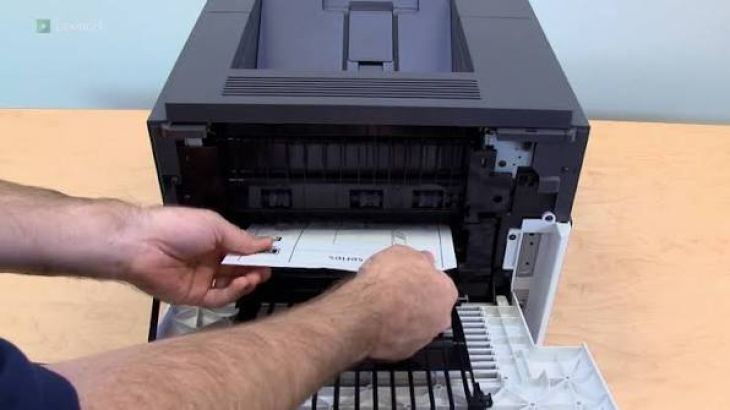
Remove the Paper Slowly
-
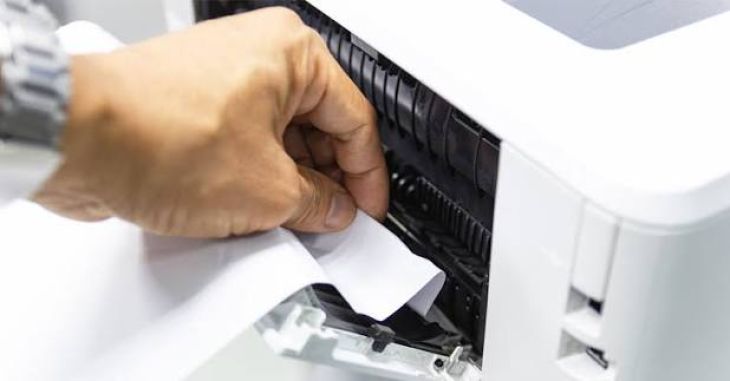
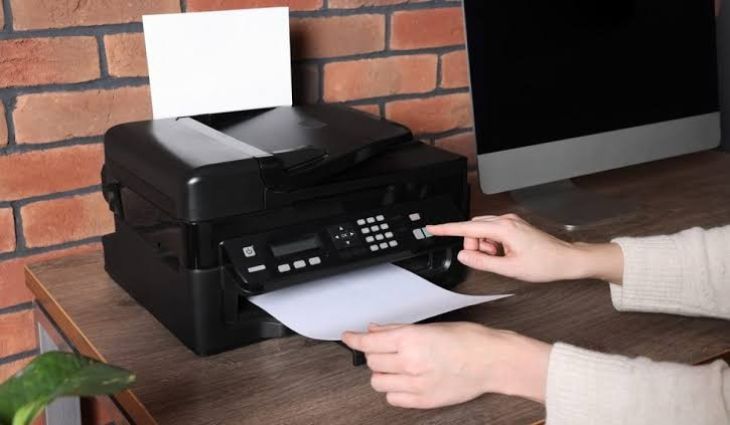
When you find the jammed paper, hold it firmly with both hands if possible.
-
Pull the paper slowly in the direction that it normally travels through the printer.
-
Avoid pulling the paper sideways or using excessive force, as this may tear the sheet.
-
If the paper tears, remove every remaining piece before closing the printer.
-
Even a tiny paper fragment can cause another paper jam.
Check the Paper Rollers
-
Paper rollers move sheets through the printer during printing.
-
Over time, dust, paper fibers, and dirt can collect on the rollers, making it difficult for them to grip the paper properly.
-
Use a soft, lint-free cloth to gently clean the rollers.
-
Allow them to dry completely before using the printer again.
-
Clean rollers improve paper feeding and reduce future jams.
Look for Foreign Objects
Small objects may accidentally fall inside the printer and block the paper path.
Carefully inspect the printer for:
-
Paper clips.
-
Staples.
-
Torn paper pieces.
-
Sticky labels.
-
Dust buildup.
Remove any visible objects carefully without damaging the printer.
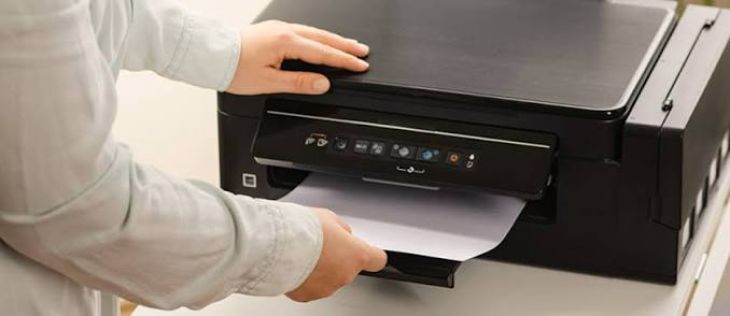
Reload the Paper Correctly
Improper paper loading is one of the most common causes of paper jams.
Before loading paper again:
-
Remove the paper stack.
-
Straighten the sheets.
-
Remove folded or damaged pages.
-
Use clean, dry paper.
-
Adjust the paper guides so they fit the paper properly without pressing too tightly.
Avoid placing too much paper into the tray.
A properly loaded paper stack helps the printer feed pages smoothly.
Check the Paper Type
Using unsuitable paper can lead to repeated paper jams.
Choose paper that matches your printer's recommended specifications.
Avoid paper that is:
-
Damp.
-
Torn.
-
Curled.
-
Extremely thick.
-
Extremely thin.
Using good-quality paper improves feeding performance and print quality.
Close the Printer Properly
-
After removing the jammed paper and checking the paper path, close all printer covers securely.
-
Make sure every cover is fully closed before turning the printer back on.
-
An improperly closed cover may prevent the printer from operating correctly.
Common Mistakes to Avoid
Avoiding certain mistakes can help protect your printer.
Pulling the Paper Too Quickly
Removing paper too fast increases the chance of tearing it inside the printer.
Using Sharp Objects
-
Never use metal tools or sharp objects to remove stuck paper.
-
These can damage sensitive printer components.
Ignoring Small Paper Pieces
-
Always inspect the printer carefully after removing jammed paper.
-
Tiny paper scraps often cause repeated jams.
Overfilling the Paper Tray
Too much paper places extra pressure on the feeding system and increases the likelihood of jams.
Using Poor-Quality Paper
Damaged or low-quality paper does not feed consistently and can easily become stuck.
Tips to Prevent Future Paper Jams
Preventing paper jams is much easier than fixing them repeatedly.
Helpful maintenance habits include:
-
Store paper in a dry place.
-
Keep the printer clean.
-
Remove dust regularly.
-
Use paper that matches the printer's recommendations.
-
Load paper neatly.
-
Adjust the paper guides correctly.
-
Avoid mixing different paper sizes.
-
Print regularly to keep the feeding mechanism working smoothly.
These simple practices improve reliability and reduce interruptions.
FAQs
Why does my Lexmark printer keep jamming paper?
Repeated paper jams are commonly caused by damaged paper, overloaded trays, dirty rollers, incorrect paper guides, or small paper fragments left inside the printer.
Is it safe to pull jammed paper out by force?
No. Always remove the paper slowly and carefully to avoid tearing it or damaging internal printer components.
Should I turn off the printer before clearing a paper jam?
Yes. Turning off the printer helps protect internal parts and allows you to remove the paper safely.
Can dirty rollers cause repeated paper jams?
Yes. Dirty rollers lose their ability to grip paper properly, making jams more likely.
What should I do if paper tears inside the printer?
Inspect the entire paper path carefully and remove every remaining piece before using the printer again.
Conclusion
Paper jam issues in Lexmark printers are usually easy to resolve with careful handling and proper maintenance. By turning off the printer, locating the jammed paper, removing it gently, cleaning the rollers, checking for paper fragments, and loading paper correctly, you can restore smooth printing in a short time.
.jpg)
.jpg)


.jpg)
.jpg)
.jpg)
.jpg)
.jpg)
.jpg)
.png)
.png)

.jpg)
.jpg)
.jpg)
.jpg)
.jpg)
.jpg)
.jpg)
.jpg)
.jpg)