
.jpg)
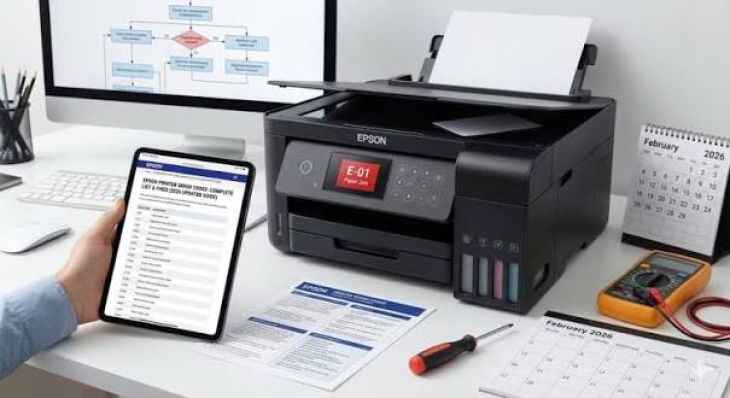
How do you clean Epson print head nozzles which are blocked or clogged in EcoTank?
Epson EcoTank printers are known for their high-quality printing, refillable ink tanks, and cost-effective operation. However, like any inkjet printer, they can occasionally develop clogged or blocked print head nozzles. When this happens, print quality may decline, resulting in faded text, missing colors, streaks, or blank sections on the page.
Why Do Epson EcoTank Print Head Nozzles Become Clogged?
The print head contains tiny nozzles that spray ink onto the paper. If these openings become blocked, the printer cannot distribute ink evenly.
Some common causes include:
-
The printer remaining unused for long periods
-
Ink drying inside the print head
-
Low ink levels
-
Air trapped inside the ink system
-
Dust or debris inside the printer
-
Poor printer maintenance
-
Interrupted printing jobs
-
Environmental conditions such as excessive heat or dryness
Understanding the cause helps determine the most effective cleaning method.
Signs of a Clogged Print Head
A blocked print head often shows noticeable symptoms before printing stops completely.
Common signs include:
-
Missing colors on printed pages
-
Faded text
-
Horizontal white lines
-
Uneven print quality
-
Blank sections on documents
-
Images with missing details
-
Inconsistent color output
Recognizing these signs early can help prevent more serious printing problems.
Check the Ink Levels
-
Before cleaning the print head, inspect the ink tanks.
-
Low ink levels may produce symptoms that resemble clogged nozzles.
-
Ensure that all ink tanks contain enough ink before beginning the cleaning process.
Print a Nozzle Check Pattern
-
A nozzle check helps identify which nozzles are blocked.
-
Review the printed pattern carefully.
-
If you notice broken lines or missing sections, the print head likely requires cleaning.
-
Printing a nozzle check before and after cleaning also helps you measure improvement.
Run the Print Head Cleaning Function
-
Most Epson EcoTank printers include a built-in print head cleaning feature.
-
Start the cleaning process and allow it to complete without interruption.
-
The printer will attempt to push ink through the nozzles to remove dried ink and restore proper ink flow.
-
Avoid running repeated cleaning cycles continuously, as this may consume unnecessary ink.
Perform Another Nozzle Check
-
After the cleaning cycle finishes, print another nozzle check.
-
Compare the new pattern with the previous one.
-
If the print quality has improved but is not yet perfect, another cleaning cycle may be beneficial.
-
Continue only if necessary and allow the printer to rest between cleaning attempts.
Allow the Printer to Rest
-
If the nozzles remain partially blocked, allow the printer to sit unused for a short period.
-
This gives the ink time to soften dried residue inside the print head.
-
After waiting, perform another nozzle check before deciding whether additional cleaning is needed.
Check for Air in the Ink System
-
Air trapped inside the ink delivery system may interrupt the flow of ink to the print head.
-
Review the ink system carefully and ensure that ink is flowing properly.
-
Removing air from the system helps improve print quality.
Clean the Printer Interior
-
Dust and paper particles inside the printer can affect overall performance.
-
Carefully clean accessible areas around the paper path and printer interior.
-
Keeping the printer clean helps maintain consistent printing quality.
Update Printer Software
-
Printer software updates often improve overall printer performance and reliability.
-
Installing the latest available updates can help ensure the printer operates efficiently.
-
Restart the printer after completing any updates.
Keep the Printer in Regular Use
-
Regular printing helps prevent ink from drying inside the print head.
-
Even printing a simple page occasionally helps keep the nozzles clear and maintains proper ink flow.
-
Frequent use is one of the best ways to prevent clogging.
Store the Printer Properly
The environment where the printer is kept can affect print head performance.
For best results:
-
Keep the printer in a clean location.
-
Avoid excessive dust.
-
Protect it from direct sunlight.
-
Maintain moderate room conditions.
Proper storage helps reduce ink drying.
Tips to Prevent Clogged Print Head Nozzles
Following good maintenance habits can help keep your EcoTank printer operating efficiently.
Print Regularly
Frequent printing prevents ink from drying inside the nozzles.
Monitor Ink Levels
Avoid allowing the ink tanks to become extremely low.
Keep the Printer Clean
Remove dust and debris regularly.
Update Printer Software
Current software improves printer performance.
Store the Printer Correctly
Protect the printer from harsh environmental conditions.
Run Nozzle Checks Occasionally
Regular nozzle checks help identify problems early.
Common Mistakes to Avoid
Avoid these common practices that may increase nozzle clogging:
-
Leaving the printer unused for extended periods
-
Ignoring low ink levels
-
Running excessive cleaning cycles continuously
-
Using the printer in dusty environments
-
Skipping routine maintenance
-
Ignoring declining print quality
-
Interrupting the cleaning process
-
Delaying software updates
Avoiding these mistakes helps maintain better print quality.
FAQs
Why do Epson EcoTank print head nozzles become clogged?
The most common cause is ink drying inside the print head after the printer remains unused for an extended period. Dust, low ink levels, and air in the ink system can also contribute.
How can I tell if my print head is clogged?
Common signs include faded printing, missing colors, white horizontal lines, blank areas, uneven print quality, and incomplete images.
Should I perform a nozzle check before cleaning?
Yes. A nozzle check helps identify blocked nozzles and provides a way to compare print quality before and after cleaning.
Can running too many cleaning cycles cause problems?
Yes. Repeated cleaning cycles use additional ink and may not improve results if performed continuously without allowing the printer to rest.
How can I prevent Epson EcoTank print head clogs?
Print regularly, maintain adequate ink levels, keep the printer clean, perform occasional nozzle checks, install printer software updates, and store the printer in a clean environment to help prevent clogged nozzles.
Conclusion
Blocked or clogged Epson EcoTank print head nozzles are a common issue that can affect print quality, but they are usually easy to resolve with proper maintenance and careful cleaning. Most nozzle blockages develop because ink dries inside the print head after long periods without printing, although low ink levels, dust, and air in the ink system may also contribute.



.jpg)
.jpg)




.jpg)
.jpg)

.jpg)
.jpg)
.jpg)
.png)
.png)


.jpg)
.jpg)
.jpg)
.jpg)
.jpg)
.jpg)
.jpg)



.jpg)

.jpg)